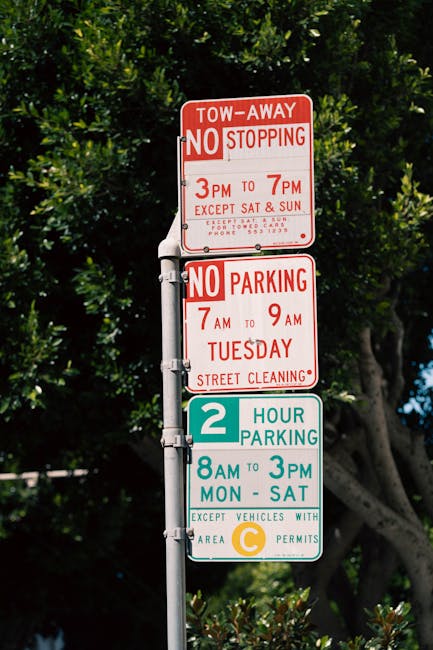
Permits, Fines and Loading Bays: Shirley Removal Laws

If you are planning a move in Shirley, the tricky part is often not the lifting or the packing. It is the street itself. Permits, fines and loading bays: Shirley removal laws can catch people out fast, especially when a van is parked for ten minutes too long or a loading bay is treated like a convenient free space. One small mistake can turn an ordinary moving day into a costly headache.
This guide explains the practical side of moving in Shirley: when permissions may be needed, what loading bays actually mean for removal work, how fines tend to happen, and how to plan a move without creating problems for yourself, your neighbours, or the driver. It is written for real life, not textbook theory. Because let's face it, nobody wants their moving day interrupted by a ticket flapping under the wiper.
- Why Permits, Fines and Loading Bays Matter
- How Removal Access Rules Work in Shirley
- Key Benefits and Practical Advantages
- Who This Is For and When It Makes Sense
- Step-by-Step Guidance
- Expert Tips for Better Results
- Common Mistakes to Avoid
- Tools, Resources and Recommendations
- Law, Compliance, Standards, or Best Practice
- Options, Methods, or Comparison Table
- Case Study or Real-World Example
- Practical Checklist
- Conclusion
- Frequently Asked Questions
Why Permits, Fines and Loading Bays Matter
Removal work is one of those jobs that looks simple until the road outside gets involved. In Shirley, access can be tight, parking can be limited, and some streets are busy enough that a van left in the wrong place quickly becomes a nuisance. Even when you only need to load a sofa or unload a few boxes, the road layout can shape the whole day.
This matters for three reasons. First, there is the risk of penalties if parking or loading is handled badly. Second, there is the practical risk of delays, which can push back handovers, lift bookings, and key collection. Third, there is the relationship side of moving: blocking a driveway, sitting in a restricted bay, or making a loading area unusable tends to annoy people very quickly. Not ideal when you are trying to keep the day calm.
Local moving knowledge helps here. Shirley has plenty of ordinary residential streets, but also busier corridors, station-adjacent routes, and pockets where parking is basically a competition sport. If you are dealing with a flat move, a house move, or a same-day clearance, a good plan is not optional. It is the difference between a controlled move and a scramble.
For broader planning around timing and route choice, it can help to read Shirley High Street removals and route planning advice alongside this guide. The road you choose can matter as much as the van you hire.
How Permits, Fines and Loading Bays: Shirley Removal Laws Works
To keep things plain: the rules around removal vehicles usually come down to where you stop, how long you stay there, and whether the space is meant for loading or general parking. In many local situations, the exact conditions are set by road markings, signage, local authority controls, or building rules. That is why two houses on the same street can have totally different practical problems.
A removal permit is sometimes needed when a vehicle will be parked in a restricted place, held in a managed bay, or placed in a way that could affect traffic flow. A loading bay, meanwhile, is usually intended for short stop-and-load activity rather than a long idle period. Sounds simple, but in real life the details matter. Is the bay unrestricted at that time? Is loading permitted only for a set duration? Does a disabled bay, yellow line, or bay restriction apply? These are the kinds of things that trip people up.
Fines generally come from three common mistakes: overstaying in a loading area, stopping where the vehicle is not allowed, or assuming the move is automatically exempt because it is "just a quick job." That last one is a classic. Quick jobs have a nasty habit of becoming twenty-five-minute jobs once someone realises the bed frame will not fit through the stairwell in one piece.
In Shirley, it is sensible to treat every move as a logistics exercise, not just a lifting exercise. Check the street conditions, allow extra time, and if there is any doubt, consider how the van will actually sit while items are being carried in and out. For a more local discussion of road rules and access issues, this guide to Solihull Council rules for removals on Shirley roads is a useful companion read.
What loading bays are really for
A loading bay is not simply a convenient spot close to the front door. It is a controlled space designed for short, practical stopping. That means your team should use it efficiently: unload, move items, and keep the van moving as soon as possible. If the work is likely to take longer, you need to plan for that from the beginning rather than hoping nobody notices. People do notice.
Why council expectations and site rules can both matter
Even if a road appears manageable, the property itself may have separate rules. Flats, managed estates, private roads, and commercial buildings can all add their own restrictions. A move can therefore be compliant on the street but still awkward at the building entrance. This is why checking both sides of the job matters.
Key Benefits and Practical Advantages
Getting the access side right saves more than money. It saves energy, timing, and stress. It also tends to make the move feel much more professional, even if you are only moving a few rooms. A well-planned stop-and-load setup is one of those small things that has a big effect.
- Fewer delays: the van can position once instead of being moved around repeatedly.
- Lower risk of fines: the more accurately you plan the stopping point, the less likely you are to drift into a restriction.
- Better protection for items: moving in a controlled route reduces the chance of rushed drops and scratches.
- Less neighbour friction: nobody enjoys a driveway blocked by a large van at 8:00 on a weekday morning.
- More predictable costs: delays, penalties, and extra labour tend to snowball together.
There is also a subtle benefit that people often overlook: confidence. When the access plan is sorted, the rest of the day feels easier. Drivers know where they are going. The removal crew knows where to park. You are not standing in the doorway wondering whether a cone, a ticket, or a complaint is coming next. That calm matters.
If you are trying to keep the whole move smooth from start to finish, the wider moving process advice in stress-free moving tips can help keep the day organised.
Who This Is For and When It Makes Sense
This topic is relevant to almost anyone moving in or out of Shirley, but some people need to be more careful than others.
- Flat movers: access can be tight, and loading zones may be the only workable option.
- House movers on busy roads: even if you have a driveway, the van may still need to stop in the street during loading.
- Office or shop moves: timing and access windows are often stricter.
- Same-day movers: speed makes planning more important, not less.
- Anyone using a large removal van: bigger vehicles need more space, and space is exactly what tends to be missing.
It makes sense to think about permits and loading access whenever the move involves restricted parking, a narrow road, a shared entrance, or an area with heavy traffic. If the first thing you thought was "I'll just wing it on the day," then, respectfully, that is how fines happen.
For people moving into or out of flats, the details can be even more fiddly. Lift bookings, stairwell width, and parking distance all affect the timeline. A practical overview such as avoiding damage to flats in Shirley's Victorian houses is particularly useful if your property has older access constraints.
Step-by-Step Guidance
Here is a straightforward way to handle removal access without overcomplicating it.
- Assess the street first. Look at the parking layout, road width, nearby restrictions, and whether a van could realistically stop without causing problems.
- Check the loading options. Identify whether there is an actual loading bay, a bay with time limits, or no loading facility at all.
- Review property rules. Flats, estates, offices, and managed buildings may have access procedures that are separate from street rules.
- Allow extra time. A move that seems fine on paper can slow down quickly once furniture, keys, and neighbours are involved.
- Plan the vehicle position. Decide where the van will sit while items are transferred. Do not leave this to the last minute.
- Reduce the number of trips. Pack efficiently and group items by room or priority so the loading stop is shorter.
- Keep essential items separate. If you need keys, documents, or a toolkit, keep them easy to reach. Digging through boxes on the pavement is not the dream.
- Confirm any permit requirements early. If a permit or formal approval is needed, do not leave it until the week of the move.
One small but important point: if your move includes bulky or awkward items, your loading plan should reflect that. A piano, a heavy wardrobe, or a deep sofa can change the whole stopping strategy. For example, the realities of large-item handling are discussed well in moving bulky furniture on Shirley's narrow streets.
Simple rule of thumb
If the job needs more than a brief stop, assume you need a better plan than "park and hope."
Expert Tips for Better Results
Most access problems are avoidable with a bit of thinking ahead. Here are the things that make a real difference.
- Do a daytime recce: seeing a road in daylight is different from guessing at it from memory. Early morning can be especially deceptive.
- Think in metres, not just in addresses: the actual distance from van to door shapes the whole loading pace.
- Use smaller runs for awkward streets: if the road is tight, multiple short transfers can be safer than forcing a large vehicle to sit there too long.
- Keep communication clear: driver, movers, and customer should all know where the van is allowed to stop.
- Protect access for others: if you can keep a bay partially clear or avoid blocking a neighbour's drive, do it.
- Make the first load the heaviest but safest: this reduces the number of times you need to reposition items while the van is parked.
We have found that the smoothest moves usually feel a bit boring from the outside. That is a compliment. No drama, no running around, no one asking where the permit letter went at the exact moment the van is reversing.
If your move involves specialist lifting or one very awkward item, it can also help to plan the handling side separately from the parking side. A practical read like solo lifting techniques for heavy item management can be helpful when one item is the real troublemaker.
Common Mistakes to Avoid
People usually do not get fined because they meant to ignore the rules. They get fined because they misread the situation or assumed the short stay would be forgiven. Here are the classic errors.
- Assuming loading equals parking: the two are not the same, and restrictions often treat them differently.
- Leaving the van longer than planned: one delayed item can turn a legal stop into a problem.
- Ignoring local street signs: signs beat assumptions every time.
- Forgetting building access rules: some flats and commercial sites have separate time windows or management requirements.
- Not measuring larger items: if something will not fit through a doorway, you may need to change the loading sequence.
- Trying to squeeze in at the last minute: the tightest moves are usually the most stressful and the most expensive.
There is also the emotional mistake: letting the pressure of the day make you careless. It happens. You are tired, the kettle is packed, the keys are not where you thought, and suddenly you are saying things like "surely it will be fine." Usually, that is the exact moment it is not fine.
For a stronger overall move plan, it is worth pairing this guide with packing tips that make moving easier and decluttering advice before you pack. The less you move, the less time you need on the street.
Tools, Resources and Recommendations
You do not need a huge toolkit to handle removal access well, but a few practical items help a lot.
- Measuring tape: useful for checking furniture size, door clearance, and whether a bay will realistically work.
- Phone camera: take photos of the parking space, signage, and access route so everyone understands the plan.
- Box labels: quicker unloading means shorter loading-bay occupancy.
- Floor and corner protection: especially important where the walk from van to door is narrow or awkward.
- Hand trolleys and straps: these reduce the number of journeys and make heavy items safer to handle.
It can also be useful to think about the whole move chain, not just the van. If items need to be stored before or after moving day, that can change how long you need to keep the vehicle in a loading spot. For longer storage planning, storage shortages in Shirley and local cost considerations may help you decide whether temporary storage is worth it.
And if a heavy item will be handled by a team rather than by one person, the handling method matters too. The article on kinetic lifting principles has a surprisingly relevant angle for controlled, efficient movement. A bit niche, yes. Still useful.
Law, Compliance, Standards, or Best Practice
Because this topic touches parking, road use, and public space, it is best to stay careful and practical rather than overly certain about exact legal outcomes. The exact requirements can change depending on the street, the bay, the time of day, and the specific local arrangement in place. In plain English: do not assume a rule from one road applies to another road five minutes away.
Good compliance practice usually includes the following:
- Check road markings and signs on site.
- Confirm whether loading is allowed and for how long.
- Make sure the driver understands any permit or timing conditions.
- Keep access clear for emergency services, residents, and traffic where required.
- Use reasonable care around pavements, kerbs, and building entrances.
If you are moving from a flat, a terrace, or a road with heavier traffic, best practice is usually to treat parking permissions as a planning item, not an afterthought. That is especially true for larger vehicles, because the size of the van often affects where it can safely stop. The broader service context in insurance and safety information can also be useful when you are considering risk and responsibility during a move.
Expert summary: if the stop is short, legal, clearly signposted, and properly planned, you are in a much safer position. If any one of those elements is missing, slow down and verify it before you start lifting. That simple habit saves trouble.
Options, Methods, or Comparison Table
There is more than one way to handle a removal in Shirley. The right method depends on access, item size, timing, and how much risk you are willing to carry.
| Approach | Best For | Advantages | Watch-outs |
|---|---|---|---|
| Short loading stop | Small moves, quick furniture pickups, light loading | Fast, simple, usually the least disruptive | Easy to overrun if items are not prepared |
| Managed loading bay use | Flats, commercial premises, busy streets | Structured access, often the most practical option | May have time limits or site-specific rules |
| Permit-based parking arrangement | Restricted roads or longer loading periods | Can reduce the risk of enforcement issues | Needs advance planning and correct timing |
| Two-stage move with storage | Delayed handovers, reduced access, larger homes | Reduces pressure on the moving day itself | Extra cost and more coordination |
In practical terms, the best choice is usually the one that reduces uncertainty. A slightly longer plan that avoids chaos is nearly always better than a rushed plan that depends on luck. Luck is not a strategy, however tempting it sounds at 6:40 a.m.
Case Study or Real-World Example
Consider a typical Shirley flat move on a weekday morning. The residents need to move furniture out of a first-floor property, the lift is unavailable, and the nearest workable stopping point is a loading bay near the entrance. At first glance, it seems easy: park the van, carry the boxes, done.
Then the practical issues appear. The sofa is wider than expected, the mattress needs careful handling, and there is a short period where the van can either sit in the bay or risk blocking through traffic. If the team has not checked the bay timing, the move can drift into a problem very quickly. Add in a couple of extra trips because the boxes were not grouped properly, and the margin disappears.
Now imagine the same move with a proper plan. Boxes are labelled by room, the larger items are loaded first, the driver knows the exact stopping point, and the team has allowed an extra buffer. The bay is used efficiently, the access path stays clear, and the move finishes without anybody panicking about enforcement. Same property, same furniture, completely different day.
That is the real point of Shirley removal laws in practice. They are not there just to make life annoying. They shape how smoothly a move can run in a real neighbourhood with real traffic, real neighbours, and real timing pressure.
For a related example of how local route choice can affect the pace of a move, moving near Shirley Station with local van tips gives a good sense of what nearby access can look like.
Practical Checklist
Use this before moving day. Print it, screenshot it, scribble on it, whatever works.
- Check whether the road has loading restrictions or time limits.
- Confirm if a permit or local approval is needed for the stop.
- Inspect the loading bay or stopping point in person if possible.
- Measure large furniture so you know what needs the most time.
- Prepare boxes and loose items before the van arrives.
- Keep a clear route from the property to the vehicle.
- Tell neighbours or building management if access will be busy.
- Leave a time buffer for delays, stairs, or awkward items.
- Keep documents, keys, and essentials separate from packed items.
- Make sure the driver knows the exact unloading point before the move begins.
Quick takeaway: the fewer unknowns you leave until moving day, the less likely you are to face fines, delays, or a messy street-side scramble.
Get a free quote today and see how much you can save.
Conclusion
Permits, fines and loading bays: Shirley removal laws are really about one thing - getting access right before the pressure kicks in. If you understand the stopping rules, respect the loading space, and plan your move around the street rather than against it, you cut out a huge amount of risk.
The best moves in Shirley are rarely the flashiest. They are the ones where the van arrives, the loading point works as expected, and nobody has to improvise around a ticket or a blocked entrance. Calm, controlled, done. That is the goal, and honestly, it is very achievable with a bit of local know-how.
If you are preparing a move now, take the access side seriously, keep your plan simple, and leave yourself a small cushion of time. It makes the whole day feel lighter. And moving day can use all the lightness it can get.
Frequently Asked Questions
Do I always need a permit for a removal in Shirley?
Not always. It depends on the road, the type of parking available, the length of the stop, and whether any restrictions apply. Some moves can be handled with short legal loading only, while others need formal permission or site approval.
What counts as a loading bay for removals?
A loading bay is a space set aside for short loading or unloading activity. It is usually not meant for long-term parking. The details can vary, so check the signage and any time limits before assuming the bay is available for your move.
Can I stop on double yellow lines while moving house?
Not safely to assume, no. Rules around stopping and loading are specific and can be time-limited or restricted altogether. Always check the local sign and the exact conditions on the street before using any roadside space.
What happens if a removal van gets a fine?
It depends on the reason for the penalty and who was responsible for parking or stopping the vehicle. In practice, fines can add avoidable cost and delay, which is why good access planning is worth the effort.
How far in advance should I check Shirley parking rules?
Ideally several days before the move, not the night before. If you need a permit or building approval, give yourself enough time to sort it out properly. Leaving it late is where stress starts creeping in.
Are flat moves more complicated than house moves?
Usually, yes. Flats often involve tighter access, shared entrances, lifts, stairwells, and more pressure on parking. That does not make them impossible, just a bit more exacting.
What is the biggest mistake people make with loading bays?
Assuming the bay is available for longer than it actually is. People also underestimate how long the loading itself will take. A bay is a practical tool, not a free parking space.
Can I use a man and van service for a restricted street?
Often yes, but the service still has to work within the street conditions. Vehicle size, stopping point, and timing all matter. A smaller van can sometimes make access easier, especially on tighter Shirley roads.
Do weekend moves avoid permit problems?
Not automatically. Some restrictions are different at weekends, but others still apply. Do not rely on the day of the week alone. Check the actual conditions for the location.
How can I reduce the chance of being fined on moving day?
Know where the van will stop, understand the loading rules, allow enough time, and avoid treating the job as a quick exception to normal parking controls. Preparation is the best prevention, blunt but true.
What if my furniture is too bulky for a short loading window?
Then you need to rethink the plan. That may mean pre-dismantling furniture, using extra helpers, starting earlier, or arranging a different access method. If bulky items are involved, planning should happen before the van arrives.
Is this something a removal company should help with?
Yes, a good removal company should help you think through access, timing, and vehicle positioning. Even if they are not handling the permit paperwork themselves, they should be able to spot likely problems before moving day.