Avoiding Damage to Flats in Shirley's Victorian Houses
Posted on 10/06/2026
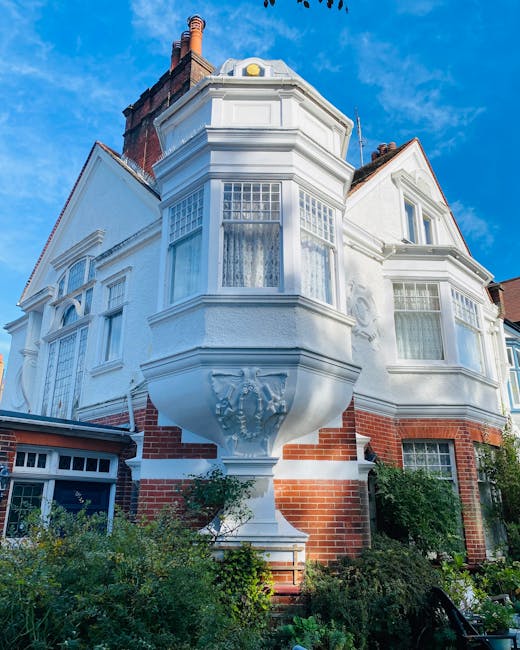
Moving into or out of a Victorian flat in Shirley can feel deceptively simple at first glance. Then you reach the narrow stairwell, the original plaster, the awkward landing turn, and suddenly every box seems twice as heavy. Avoiding damage to flats in Shirley's Victorian houses is really about protecting a building that was not designed for modern bulky furniture, while also making the move calmer, cleaner, and far less stressful.
This guide brings together the practical details that matter: where damage usually happens, how to plan around tight Victorian layouts, what to protect first, and when it makes sense to get help. If you want a smoother move with fewer chips, scrapes, and last-minute panics, you are in the right place.
Why Avoiding Damage to Flats in Shirley's Victorian Houses Matters
Victorian houses have character, but they also have quirks. In Shirley, many flats sit inside older properties with slim hallways, steep stairs, tight corners, and delicate finishes that can mark easily. The issue is not just cosmetic. A scuffed wall or damaged bannister can create a repair bill, a dispute with a landlord, or an awkward conversation with a managing agent. Not ideal, to put it mildly.
There is also the practical side. Older flats often have less forgiving access routes. One careless turn with a sofa, bed frame, or washing machine can take out paintwork, dent a door edge, or damage period details that are hard to replace cleanly. If the building has original plaster or ornamental trim, even a small knock can look surprisingly obvious.
For tenants, the stakes may involve deposit deductions. For owners, the cost is usually repair time, inconvenience, and a hit to the property's presentation. For anyone selling or letting, first impressions matter. A hallway marked by moving day damage can distract from everything else. Truth be told, it can make a lovely flat feel much less lovely.
Expert summary: The safest approach is simple: measure first, protect surfaces early, move heavier items with the right technique, and treat access routes as part of the property, not just a corridor to get through.
If you want a broader look at planning a calmer move, this guide to a stress-free moving experience is a useful companion read. And if you are still in the decluttering phase, decluttering before packing can make the whole process a lot lighter.
How Avoiding Damage to Flats in Shirley's Victorian Houses Works
At its core, damage prevention is a chain of small decisions. You look at the property, predict the awkward points, choose the right packing materials, and organise the route so that movement is controlled rather than rushed. That sounds obvious, but when the van arrives and everyone is on the clock, people often skip the quiet thinking part. That is when mistakes happen.
In a Victorian flat, the process usually starts before a single box is lifted. Measure doorways, stair width, ceiling height at landings, and the depth of awkward bends. Check for low light, loose carpet edges, and fragile areas such as dado rails, skirting boards, banisters, and plaster corners. A quick walkthrough with a phone camera helps because you can spot the tricky bits later when you are calmer.
Then comes protection. That means floor runners or cardboard protection for flooring, blankets for furniture, tape used carefully so it does not strip paint, and padding around corners, edges, and handles. People often think of the big items first, but the real damage usually comes from the small repeated contact points: a box scraping the same wall, a wheel catching a lip on the stair, or a table edge brushing a painted corner.
Finally, there is the handling method. Heavy objects should be moved with correct lifting technique and enough people to do the job safely. A sofa is not just heavy; it is awkward, unbalanced, and very good at snagging on things. If you have ever seen one tilt sideways in a narrow stairwell, you know exactly what I mean.
For more on handling bulky furniture properly, see practical solo lift guidance for heavy items and why specialist piano moving matters when weight and precision really count.
Key Benefits and Practical Advantages
Protecting the property is only the obvious win. There are several quieter advantages too, and they add up.
- Fewer repair costs: Less risk of wall scuffs, chipped paint, broken trim, and damaged flooring.
- Less stress on moving day: If the access route is prepared properly, the move tends to feel much more controlled.
- Better protection for belongings: Items are less likely to be dropped, pinched, or damaged while being manoeuvred.
- Reduced disputes: Tenants, landlords, and managing agents are less likely to argue over what happened.
- Cleaner handover: A property that looks respected during the move usually looks better at the end of it too.
- Faster completion: Fewer stoppages for "hang on, that won't fit" moments. And those moments always seem to happen when the kettle is packed.
There is also a reputational benefit for landlords and sellers. A property that has been handled well during a move stays in better shape for inspections, viewings, and future tenancies. That may sound secondary, but in a character property every detail contributes to value and perception.
If the move involves a sofa, bed, freezer, or another large item that needs special handling, it can help to read the related practical guides on storing sofas safely, keeping a freezer in good shape during downtime, and transporting beds and mattresses carefully.
Who This Is For and When It Makes Sense
This approach is useful for a wide range of people, not just full-scale removals teams. If you are moving out of a first-floor Victorian flat, taking furniture into a top-floor conversion, or helping a relative settle into an older property in Shirley, the same principles apply.
It makes particular sense if:
- the building has narrow or winding stairs
- the hallway is shared with neighbours
- the property has period plaster or decorative detailing
- you are moving heavy or awkward furniture
- you need to protect flooring in a rented flat
- the move is being done in a hurry and time pressure is high
It also matters for students, downsizers, and landlords. Student flats and smaller conversions can be especially tight, with less room to manoeuvre boxes and beds. If that sounds familiar, student removals support in Shirley may be the sort of practical help that keeps the job from becoming chaotic.
And if the move is happening on a tight timetable, maybe after a tenancy change or a property chain delay, it can be worth looking at what to expect from a same-day removal. Sometimes speed is unavoidable. The trick is not letting speed turn into damage.
Step-by-Step Guidance
1. Walk the route before anything moves
Start with the access path, not the furniture. Walk from the front door to the room, then from the room to the van, and note every turn, step, low ceiling, tight landing, and fragile surface. If there is a communal hallway, check where you can safely pause without blocking neighbours.
2. Measure the biggest items
Take the height, width, and depth of sofas, wardrobes, bed frames, and appliances. Compare those measurements to doorways, stair width, and landing corners. This simple habit prevents a lot of unpleasant surprises. If something clearly will not fit, disassemble it before moving day. Do not discover that halfway up the stairs. Nobody enjoys that scene.
3. Protect the building first
Cover high-risk points before moving heavy items. Focus on floorboards, carpet edges, painted corners, banisters, skirting, and door frames. In a Victorian house, those features can be especially vulnerable because the finishes are often older, softer, or simply more visible when damaged.
4. Prepare the furniture properly
Remove loose shelves, drawers, and detachable legs. Wrap fragile corners. Tape cords safely. Keep screws and fittings in labelled bags. If you are moving upholstered furniture, use clean covers so that dirt from the hallway does not transfer onto the fabric. For beds and mattresses, a proper wrap matters; the details are covered well in the bed and mattress transportation guide.
5. Use the right number of people
Trying to do too much with too few hands is one of the fastest ways to damage a wall or strain yourself. Two people can manage some items. Three or four may be needed for bulky pieces on tight stairs. If an item twists or starts to slip, stop. Reset. Take the extra minute. It is cheaper than a repair or an injury.
6. Move slowly at pinch points
Landings, door thresholds, and stair turns deserve extra patience. The person at the front should call each movement clearly. The person at the back should control the lower end. If you are rushing at this stage, that is usually the moment the item clips the wall. It happens quickly, almost annoyingly so.
7. Check the property after each load
Do a quick visual sweep after each major item is moved. Look for scuffs, dents, or debris on floors and stairs. Small issues are much easier to handle when they are found immediately. Waiting until the end turns a small mark into a mystery.
Expert Tips for Better Results
Here is the sort of practical detail that tends to make a genuine difference in older Shirley flats.
- Use breathable covers where appropriate: especially for upholstered furniture stored briefly before moving. Moisture trapped under plastic can cause its own problems.
- Save old blankets and towels: they are not glamorous, but they are excellent for protecting corners and doors.
- Keep one person free to spot hazards: a "guide" can prevent the moving team from focusing too narrowly on the item itself.
- Lift in stages on stairs: pause at landings and reset your grip rather than forcing a single continuous move.
- Protect shared areas as well as your own flat: stairwells and entries are often where complaints begin.
- Clear your exit path early: shoes, plant pots, recycling bins, and hallway clutter create avoidable knocks.
A small, slightly old-fashioned trick still works well: stand back and look at the route as if you were carrying a wardrobe through it. That mental rehearsal often reveals the problem before a physical one does. Funny how that works.
If you are weighing up the right vehicle or support level, choosing the right removal van and using a man and van service can be a sensible middle ground for smaller Victorian-flat moves.

Common Mistakes to Avoid
Most damage in Victorian flats is not caused by dramatic accidents. It is usually the result of a few avoidable habits.
- Skipping measurements: assuming the sofa will "probably fit" is not a plan.
- Underestimating corners and landings: a straight hallway is one thing; a tight stair turn is another.
- Dragging furniture: even a short drag can score floors or catch on trim.
- Using too much tape on painted surfaces: the tape lifts paint when removed, especially on older finishes.
- Packing boxes too heavy: overloaded boxes swing badly and are harder to control on stairs.
- Leaving loose items in furniture: drawers, doors, and fittings can shift at the worst possible moment.
- Moving in poor lighting: dark halls hide lip edges, steps, and splinters.
Another big one: failing to communicate. A move with silent lifting is rarely a good move. Short calls like "stop," "pivot," "hold," and "down a little" sound simple, but they prevent bad angles and wall contact. Nothing fancy. Just clear language.
Tools, Resources and Recommendations
You do not need a warehouse of equipment, but a few basics make a big difference.
| Tool or resource | What it helps with | Why it matters in Victorian flats |
|---|---|---|
| Furniture blankets | Edge and surface protection | Useful for narrow hallways and door frames |
| Floor protection runners | Shielding carpets or boards | Prevents dirt, scuffs, and wheel marks |
| Mattress covers | Keeping bedding clean and dry | Handy when access routes are cramped |
| Ratchet straps or tie-downs | Securing items in transit | Stops shifting inside the van |
| Labels and marker pens | Organisation | Makes staged moving much easier |
| Basic toolkit | Disassembly and reassembly | Often essential for beds, wardrobes, and tables |
If you need packing materials, a dedicated packing and boxes service can save a lot of hassle, especially if you are trying to keep breakables separate from heavier items. And if you want to make the actual packing phase less chaotic, these packing tips are genuinely useful, not just fluffy advice.
One more recommendation: take photos before and after the move. Not for drama. Just for clarity. If anything needs to be checked later, you will have a record. Simple and reassuring.
Law, Compliance, Standards, or Best Practice
This topic does not usually require specialist legal interpretation for the average mover, but best practice still matters. In the UK, moving safely is tied to general duties around care, risk reduction, and avoiding preventable damage. That means thinking about safe handling, clear walkways, suitable equipment, and respect for shared access areas.
For tenants, it is sensible to review your tenancy obligations before moving day so you know what condition the property should be left in. For landlords and agents, documenting the flat's state before and after a move helps avoid disputes. For occupiers in shared Victorian buildings, consider neighbours too. Keeping communal areas clear and clean is not just courteous; it reduces complaints and trip hazards.
If you are hiring help, look for businesses that treat safety and insurance seriously. A proper moving process should include careful loading, sensible lifting practices, and appropriate transit protection. You can learn more about how one company approaches this on the insurance and safety page, and if you want to understand the broader service approach, the services overview is useful background.
Best practice also means being honest about what a flat can realistically handle. If a wardrobe needs dismantling, dismantle it. If the staircase is too tight for a two-person carry, use a different route or bring more help. Victorian buildings reward patience. They do not reward guesswork.
Options, Methods, or Comparison Table
Different moves call for different levels of support. Here is a straightforward comparison that may help you decide what fits your situation.
| Approach | Best for | Strengths | Limitations |
|---|---|---|---|
| DIY move | Very small loads and simple access | Lowest cash outlay, full control | Higher risk of damage and strain, slower on stairs |
| Man and van | Small to medium flat moves | Flexible, practical, often quicker than DIY | May still need disassembly and preparation from you |
| Full removals service | Larger or more complex moves | More support for heavy items and access issues | Usually the most involved option to organise |
For flats in Shirley's Victorian houses, a middle-ground option is often the sweet spot. Not every move needs a full-scale crew, but not every move should be attempted with a borrowed hatchback and optimism. Let's face it, optimism is lovely, but it does not protect a staircase.
If your move is near a busy route or timing is tight, local route planning can help too. You might find this route-focused Shirley guide and these local moving tips near Shirley station helpful when planning the day.

Case Study or Real-World Example
Here is a realistic example from the kind of move people often underestimate. A couple moving out of a first-floor Victorian conversion in Shirley had a fairly ordinary list: a bed frame, sofa, dining table, boxes, and a freezer. Nothing dramatic. The access, however, was tight. The stairs turned sharply at a half landing, and the hallway had a painted corner that had clearly taken a few knocks over the years.
Before the move, the route was measured and the largest items were checked against the doorway widths. The sofa legs came off. The bed frame was split down. The freezer was kept upright and wrapped. Floor protection was laid in the hall and at the stair base, and one person was assigned to spot corners while the others handled the lift. The move took longer than a casual DIY attempt might have done, but the result was clean. No wall scuffs, no scratched skirting, no awkward repair job afterwards.
The quiet win was that the people moving out did not spend the evening touching up paint or apologising to the landlord. They could actually unpack. That is the bit many people want, isn't it?
If you are looking for help with the bulky pieces in your own move, the related service pages on furniture removals and house removals in Shirley are worth a look, especially when several large items need careful handling rather than a rushed one-off lift.
Practical Checklist
Use this quick checklist before moving day. It is not fancy, but it works.
- Measure doors, stairs, and the largest furniture pieces
- Photograph fragile areas before any lifting begins
- Protect floors, corners, banisters, and door frames
- Disassemble bulky furniture where possible
- Label screws, fittings, and room destinations
- Use enough people for heavy or awkward items
- Keep hallways and entrances clear
- Move slowly at stair turns and landings
- Check for new marks after each major item
- Clean up debris before leaving the property
Quick reminder: if an item feels too large for the route, it probably is. That is not defeat. That is good judgement.
If you are also sorting storage for items that do not need to go straight into the flat, storage in Shirley can be a useful pressure valve. And for anyone trying to keep a move tidy from start to finish, cleaning before transition can help the handover feel much more complete.
Conclusion
Avoiding damage to flats in Shirley's Victorian houses is not about being overly cautious. It is about respecting the age and layout of the building, planning around its quirks, and moving in a way that protects both the property and your own peace of mind. A few measured steps at the start can save a surprising amount of time, money, and irritation later.
Whether you are moving a compact student flat, a family-sized furniture load, or one awkward sofa that seems to have been designed to test everyone's patience, the same rule holds: prepare well, protect surfaces early, and never rush the tight turns. That is where the trouble usually starts.
Get a free quote today and see how much you can save.
And if all this has made the process feel a bit more manageable, good. That is the point. A careful move should leave the flat intact, the boxes where they belong, and you with enough energy left for a proper cup of tea.


