Solihull Council Rules for Removals on Shirley Roads
Posted on 26/06/2026
Solihull Council Rules for Removals on Shirley Roads: What You Need to Know Before Moving Day
Moving house or shifting bulky furniture on Shirley roads sounds straightforward until you hit the practical side: parking, access, loading, narrow residential streets, and the question of what Solihull Council expects from you. If you are planning a move in Shirley, understanding the Solihull Council Rules for Removals on Shirley Roads can save time, reduce stress, and help you avoid a messy start to the day. In other words, a little preparation goes a long way. Nobody wants a removal van sat half on the kerb while everyone watches the clock, do they?
This guide breaks down the local moving picture in plain English. You will find out why the rules matter, how they usually affect removals on Shirley roads, what to do step by step, and which mistakes people make most often. We will also look at practical best practice, compliance considerations, and a realistic example of how a move can go smoothly when the planning is done properly.
Why Solihull Council Rules for Removals on Shirley Roads Matters
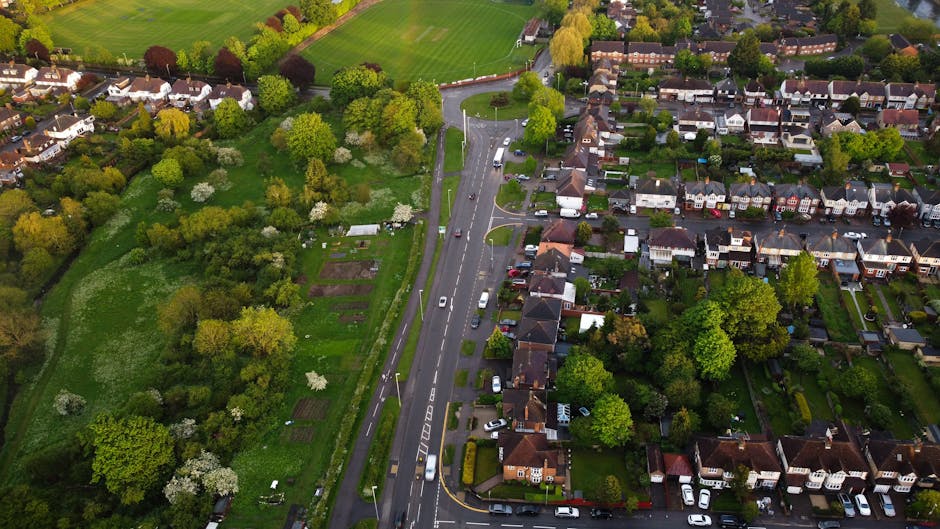
Shirley has a mix of busy high streets, tighter side roads, older housing stock, flats, and newer developments. That variety is exactly why removal-day planning matters. A road that looks fine on a normal Tuesday morning can become awkward the moment a van blocks part of the carriageway or needs extra time for loading. In practical terms, council rules help keep traffic moving, protect pedestrians, and reduce damage to verges, kerbs, pavements, and neighbouring property.
For residents, the rules also shape what kind of vehicle you can use, where it can stop, and how long it can stay. For removal firms, the rules influence scheduling, access planning, crew size, and whether a job can be completed in one go. If you ignore those details, even a simple move can turn into a slow shuffle of boxes, a frustrated neighbour, and a van that has nowhere sensible to wait.
There is another angle too: safety. A lot of removal work on Shirley roads involves carrying awkward loads through tight gaps, around parked cars, or down shared entrances. When you are dealing with a sofa, wardrobe, piano, or heavy appliance, the smallest delay can increase risk. That is why the local rules are not just bureaucracy. They shape the moving experience from the ground up.
If you are still at the stage of sorting what actually needs moving, it can help to read practical packing and decluttering advice first, such as decluttering before packing and packing with a smarter system. Fewer items usually means less time on the road, less loading, and fewer headaches with access. Simple, really.
How Solihull Council Rules for Removals on Shirley Roads Works
In everyday terms, the rules affect three things: where the vehicle can stop, how it interacts with other road users, and what level of permission or planning may be needed for the move. The exact requirements can depend on the road, the time of day, the type of vehicle, and whether any parking bays, waiting restrictions, or access limits are involved.
Most removal jobs on Shirley roads fall into one of these practical scenarios:
- A short domestic move on a quiet residential road where parking is possible close to the property.
- A flat move on a busier street where access must be managed carefully to avoid blocking traffic or neighbours.
- A larger house move where the removal team may need a longer loading window and more controlled vehicle positioning.
- A same-day or last-minute move where the schedule is tighter and there is less room for error.
What people often miss is that local moving rules are not only about a formal permit. Sometimes the bigger issue is practical compliance: not obstructing a dropped kerb, not stopping where it creates danger, and not making assumptions about pavement space. Even if a vehicle can technically fit, that does not always mean it is sensible to use that space. Truth be told, the street will decide that for you if you try to wing it.
In many cases, the best approach is to plan the move around the road rather than forcing the road to suit the move. That means checking the access route, choosing the right van size, allowing time for loading, and, where needed, arranging temporary parking or building access in advance. For a general overview of how a professional team coordinates this kind of job, the services overview gives useful context, while man with a van support in Shirley may suit smaller local moves.
Key Benefits and Practical Advantages
Following the right local approach is not just about avoiding a fine or a complaint. It can improve the whole move in ways you notice immediately.
- Less wasted time: the van gets parked sensibly, loading starts on time, and the job runs more smoothly.
- Lower risk of damage: careful positioning reduces scraping, dropped items, and accidental knocks to walls or garden edges.
- Better neighbour relations: nobody enjoys a blocked driveway or a van idling awkwardly outside their home.
- Cleaner handover: a well-managed move tends to leave fewer marks on the road or property.
- Less stress for you: when the logistics are under control, the day feels manageable instead of chaotic.
There is also a financial upside. A poorly planned move can cost you in extra labour time, additional journeys, waiting time, or avoidable damage. By contrast, good preparation lets the team work more efficiently. That matters whether you are moving from a compact flat, a family home, or a shared house.
For heavier items, the advantage becomes even clearer. A piano, for example, is not something you want to improvise with. If you are weighing up whether specialist help is worth it, this comparison on piano moves is a useful reminder of what can go wrong when access and handling are underestimated. Similar logic applies to beds, wardrobes, and tall furniture pieces that need more than brute force and good intentions.
Who This Is For and When It Makes Sense
This topic is relevant to more people than you might think. If your move involves a Shirley road, even for a short distance, you should be thinking about the council and street access side of things.
It is especially important if you are:
- moving from or to a terraced house with limited frontage
- living in a flat where parking is shared or restricted
- moving bulky furniture through a narrow access point
- planning a same-day move with a tight schedule
- running an office or commercial relocation that needs careful vehicle timing
- moving a student property with shared entrances, steps, or awkward kerbs
It also makes sense if you are doing part of the move yourself. Plenty of people hire a van for the heavy stuff and carry smaller items separately. That can work well, but only if the loading point and street layout are considered early. A couple of minutes of planning can save an hour of dragging boxes back and forth in the rain. And yes, the rain usually appears just as you have the mattress out.
If your move is more specialised, there are useful related pages on the site: flat removals in Shirley, house removals in Shirley, and student removals in Shirley. Different property types bring different access issues, and that really is the story here.
Step-by-Step Guidance
Here is a practical way to approach a move on Shirley roads without overcomplicating it.
- Check the road layout early. Look at where a van could realistically stop, where pedestrians pass, and whether any parked cars usually narrow the route.
- Match the van to the job. Too small means extra trips; too large may create access problems. The sweet spot is usually somewhere in the middle.
- Plan loading order. Put the biggest and heaviest items near the vehicle first if they are leaving first, unless access inside the property makes a different sequence safer.
- Protect the property and items. Use covers, blankets, and sensible lifting technique. It sounds obvious, but a doorframe will punish carelessness fast.
- Allow time for lifting and positioning. A move never runs better when everyone is rushing. It just feels louder.
- Keep essentials separate. Documents, medication, chargers, keys, and a kettle should not disappear into the main load.
- Leave a buffer. Traffic, neighbours, and building access can all add a few unpredictable minutes.
If you are moving a specific item like a mattress or bed frame, it is worth reviewing the practical handling side too. This guide to bed and mattress transportation is helpful for avoiding tears, bending, and awkward lifts. For larger household contents, furniture removals in Shirley is the obvious companion service.
One practical tip from real moving days: do not assume the first parking option is the best one. Sometimes a slightly longer walk from the van is actually safer, faster, and less disruptive. A bit less glamorous, maybe, but much better in the real world.
Expert Tips for Better Results
If you want a smoother move, the small decisions matter more than the big dramatic ones. Here are the bits experienced movers tend to get right.
- Book earlier than you think. Access-sensitive moves are harder to rescue at short notice.
- Use a realistic van size. Crowding a vehicle can slow unloading and increase item damage.
- Prepare for stairs and tight turns. Measure awkward furniture before moving day. It saves a lot of staring at a doorway.
- Have parking fallback options. If the preferred spot is taken, you need a plan B that does not involve improvisation under pressure.
- Wrap delicate items properly. A scratched cabinet is usually the result of one small oversight, not bad luck.
- Use the right lifting method. Team lifts beat heroic solo efforts almost every time.
For more on lifting safely, the solo lifting guide for heavy items is worth a read, even if you do not plan to lift alone. It gives a good sense of posture, balance, and why fatigue changes everything by mid-afternoon. If your move involves more physical handling than usual, kinetic lifting principles may also be useful context for understanding body mechanics in a practical way.
And one more thing: keep a cup of tea nearby for after the first load. It sounds trivial. It is not. Small morale boosts matter.
Common Mistakes to Avoid
A lot of removal-day problems are surprisingly predictable. The good news is that most of them are avoidable.
- Leaving parking decisions until the van arrives. That is how delays begin.
- Ignoring access pinch points. Narrow gates, low steps, shared entrances, and sharp corners can all change the plan.
- Underestimating loading time. It always takes longer than people think, especially with flat-pack furniture and fragile items.
- Not protecting floors or walls. One careless turn with a wardrobe can leave a mark you will notice for months.
- Mixing essentials with the main load. This creates unnecessary panic later.
- Choosing a van based on price alone. Cheap can become expensive if it forces repeat journeys or causes damage.
A particularly common one in Shirley is assuming a narrow road means there is nowhere sensible to stop, when in fact a slightly different approach would have worked. For tricky streets, this local article on bulky furniture on Shirley's narrow roads is a smart reference point. Likewise, if your move is into an older property, avoiding damage in Victorian flats is directly relevant.
Sometimes the mistake is emotional rather than technical. People rush because they are tired, excited, or just fed up with boxes everywhere. Fair enough. But speed without a plan usually creates more work.
Tools, Resources and Recommendations
You do not need a huge toolkit, just the right bits in the right places. A good move is built on preparation, not gadgets. Still, a few practical tools can make the day feel much easier.
- Furniture blankets and covers for protecting polished or soft-finish items
- Strong packing tape and marker pens for clear box labelling
- Measuring tape to check furniture against doorways and stair turns
- Dolly or sack truck for heavier loads where the surface allows it
- Gloves with grip for safer handling in wet or dusty conditions
- Floor runners or cardboard protection for common walk paths inside the property
There are also a few useful reading points on this site depending on the move type. If you are still arranging storage, storage in Shirley and local storage solutions and costs can help you bridge a gap between properties. If you are dealing with a long pause between moving dates, long-term sofa storage tips and freezer downtime guidance may save you some stress.
For a broader moving journey, packing and boxes in Shirley is a useful support page, while removals in Shirley and removal services in Shirley help with the bigger picture. If you are comparing providers, removal companies in Shirley is also worth a look.
Law, Compliance, Standards, or Best Practice
It is sensible to be careful here. Council and road rules can change, and the exact requirements for a particular Shirley street depend on the location, road markings, and local restrictions in force on the day. So rather than overstate specifics, the safest advice is this: treat loading, parking, and access as a compliance issue, not just a convenience issue.
In practical terms, best practice usually means:
- not blocking traffic or pedestrian routes
- not stopping where waiting or loading is prohibited
- avoiding damage to pavements, kerbs, grass verges, or private property
- keeping the move safe for residents, children, delivery drivers, and neighbours
- making sure the removal team follows sensible manual-handling practice
This is where reputable operators make life easier. They tend to have a process for risk awareness, item protection, and route planning. You can see the kind of approach expected in the health and safety policy and the wider insurance and safety information. For business customers, office removals in Shirley often need extra care because timings, loading access, and building rules can be less forgiving.
Best practice is not about overcomplicating things. It is about avoiding the kind of error that gets noticed by the whole street. A little restraint goes a long way.
Options, Methods, or Comparison Table
When moving on Shirley roads, you usually have a few practical options. The right one depends on the size of your load, the street access, and how much support you want on the day.
| Approach | Best For | Pros | Watch Out For |
|---|---|---|---|
| DIY with hired van | Small, simple moves with good access | Lower upfront cost, flexible timing | Hard work, parking stress, higher risk of delays |
| Man and van | Medium loads, local moves, quick turnarounds | Good balance of cost and support | Needs clear access planning and sensible packing |
| Full removal service | Larger homes, fragile furniture, complex access | More hands, better coordination, less stress | Usually costs more, but often saves time and trouble |
| Specialist item move | Pianos, antiques, oversized furniture | Tailored handling and lower damage risk | Must be booked with the right expertise |
For many Shirley moves, the most sensible route is a hybrid one: professional help for the awkward bits and a simple self-pack for the rest. That is especially true if your property access is tight but the load itself is manageable. If you need same-day support, same-day removals in Shirley may be the fastest route, while man and van in Shirley is often the leaner option for smaller jobs.
Case Study or Real-World Example
A common Shirley scenario goes like this. A couple are moving from a first-floor flat near a busy road into a house a few streets away. The flat has limited loading space, neighbours are parked tightly on both sides, and the stairwell is narrow enough that one wrong turn would scrape the banister. Not ideal, but also not unusual.
Instead of guessing on the day, they check access in advance, keep the larger furniture separate from the smaller boxes, and agree a loading sequence. The van arrives at a time that avoids the busiest stretch of the street. One person stays at the property entrance to guide items out, while the driver positions the van so that loading can happen safely without obstructing traffic for long. Nothing dramatic. Just calm, careful coordination.
The move finishes without a complaint from neighbours, without a damaged wall, and without that horrible moment when someone realises the keys, charger, and kettle are all buried in the last box. To be fair, that last one is a tiny victory, but it matters on moving day.
In a different version of the same move, the van would have arrived too early, parked badly, and forced multiple extra carries through a cramped entrance. That is the gap planning makes. Not glamorous, but absolutely real.
Practical Checklist
Use this checklist before move day. It keeps the practical stuff from slipping through the cracks.
- Confirm the move date, arrival time, and access arrangements.
- Check whether the street allows sensible van stopping or loading.
- Measure the biggest furniture items against doors, stairs, and hallways.
- Separate essentials from the main packed load.
- Label boxes clearly by room and priority.
- Protect fragile items with proper wrapping and cushioning.
- Clear walkways inside both properties.
- Warn neighbours or building management if access may be temporarily busy.
- Keep keys, paperwork, and phone chargers to hand.
- Have a backup plan if parking or access is tighter than expected.
Expert summary: If you treat Shirley road access as part of the move, not an afterthought, everything gets easier. The van spends less time waiting, the team handles items more safely, and you avoid a lot of unnecessary pressure. It is the sort of planning that feels invisible when it works, which is exactly the point.
Conclusion
Solihull Council Rules for Removals on Shirley Roads are really about making your move work in the real world: safe access, sensible stopping, fewer delays, and less disruption for everyone involved. Whether you are moving a one-bed flat, a family home, or a single awkward item, the same principle applies. Plan the road first, then the boxes.
The best moves on Shirley roads are rarely the flashiest ones. They are the ones where the route makes sense, the van fits the job, and everyone knows what happens next. A little local awareness, a bit of patience, and the right support can turn a potentially messy day into something surprisingly manageable. And once the last box is in, you will feel that relief right away.
If you are preparing for a move, take the time to organise the access side properly. It really does pay off. And if you want the rest of your move to feel just as steady, look at the practical support pages and planning guides on the site before the first load leaves the driveway.
Get a free quote today and see how much you can save.